3,697 Days (and Counting)
For over ten years, or 3,697 days to be exact, I’ve been working on a novel about teens in the 1980s. The novel eventually became so long (over a million words, and twice the length of War and Peace) that I had to split it into nine books or episodes.
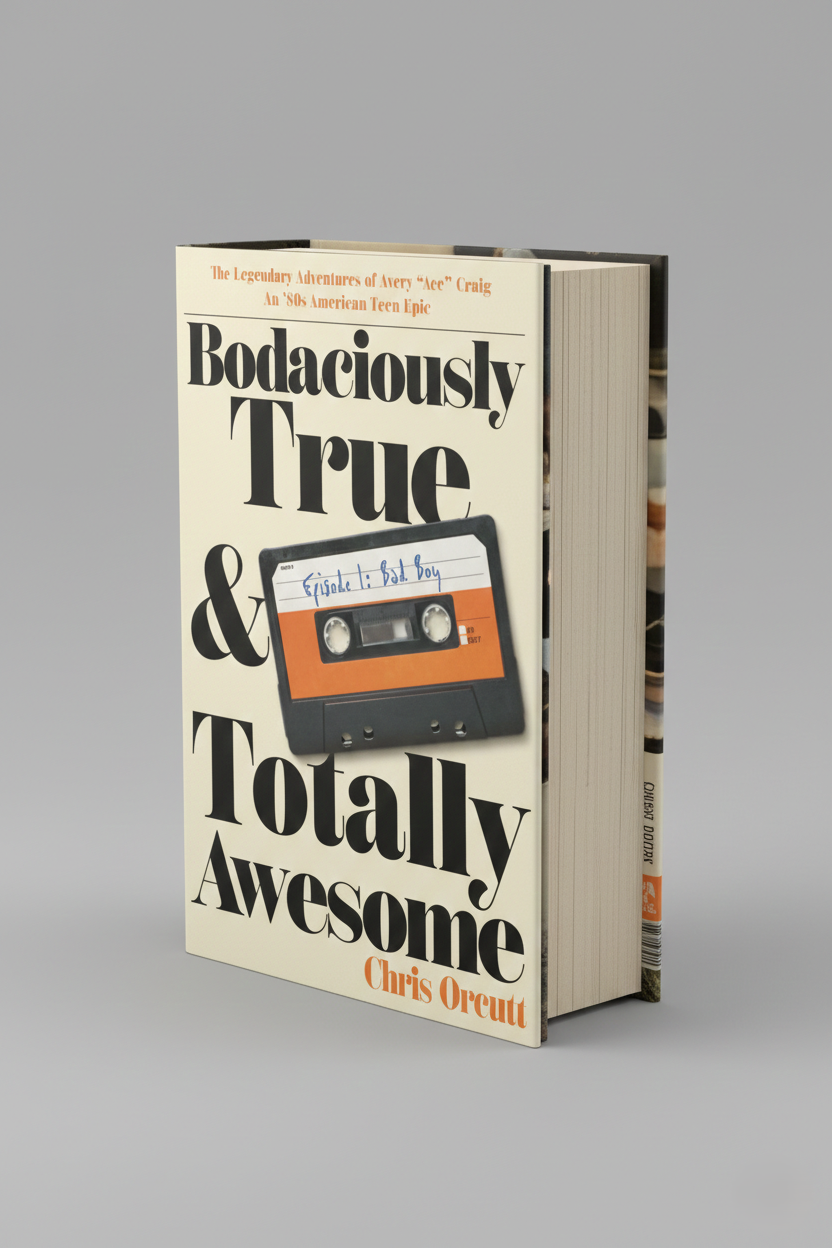
 The result, Bodaciously True & Totally Awesome: The Legendary Adventures of Avery “Ace” Craig, An ’80s American Teen Epic, dramatizes the lives of Ace and his friends in a rural-suburban high school setting. (By the way, it’s much better than I’m making it sound; I’m terrible at condensing my million-plus words into book jacket copy.)
I wrote Bodaciously to be a story for and about my generation—Gen X—a generation that has long been unappreciated, marginalized, and misunderstood. I wrote it to give people my age an escape back to a simpler time, a time when all of life was ahead of us and we didn’t have the internet, AI, tracking, and algorithms in our lives. I wrote it to give the younger generations (and future generations) some idea of what it was like to be a teen in the mid-1980s. And I wrote it for readers, not critics—for people who just want an enjoyable book that keeps them reading.
For 3,697 days (with the exception of 47 days; there were a handful of bouts with illness and a few short vacations), I’ve woken up and written and/or revised a couple thousand words, working an average of 10 hours per day. I wrote the early drafts with pencils or typewriters, and I isolated myself, staying off the internet and only listening to music and watching movies and TV shows from the 1980s. And, with the exception of my wife and Muse (who handled the business side of things and read the penultimate drafts of each episode to give me feedback) and a talented graphic designer Victoria Heath Silk (who designed the book covers), I did all of the work myself: writing, editing, book design, typesetting, proofreading, ebook creation, promotion, etc.
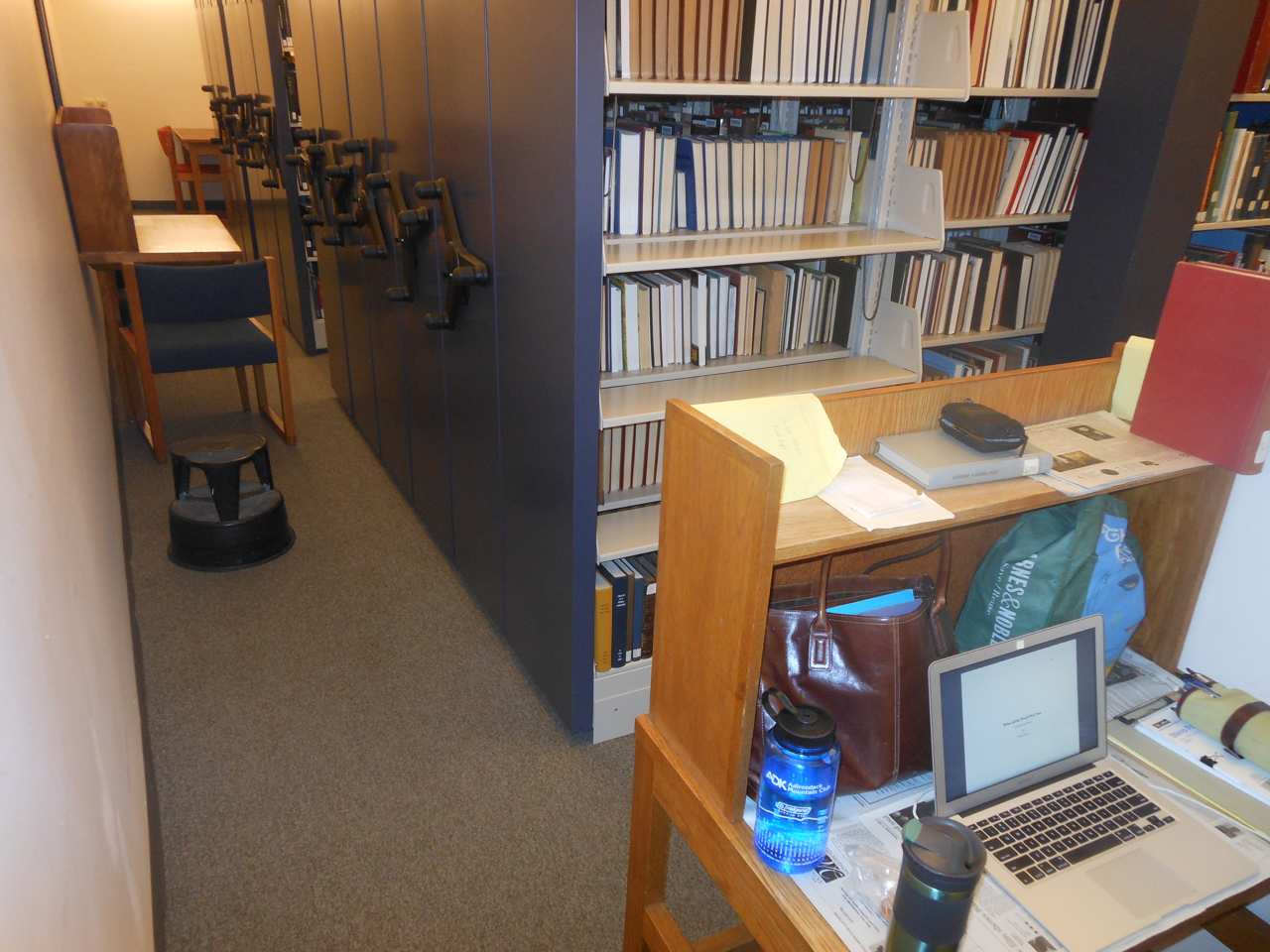 I did all of this work in less than ideal conditions, in ad hoc workspaces, in spite of numerous environmental distractions. Even when I wrote in the farthest recesses of the basement government documents room of Vassar College’s Thompson Memorial Library, I still had to contend with a certain annoying woman noisily passing my remote cubicle during her morning “constitutional” through the library. For five years, I lived next door to a woman (who clearly had OCD) who used a leafblower on her property starting at 6:00 a.m. for hours straight, and for the second five years I lived in a complex where the only tools the buildings and grounds guy knew how to use were a snowblower and a leafblower. Despite these distractions (and many, many more including solicitors at my door, power outages, broken hot water heaters, broken bones, and deaths), I kept going.
I did all of this while battling depression and mental illness, often rising at 3:00 or 4:00 o’clock in the morning, praying and meditating, asking the universe for the strength to keep going and guidance on what to write next, and battling the gremlins that told me daily when I first woke, “What the f‑ck are you doing, Orcutt?! Nobody’s going to want to read this sh‑t! Nine books and 1.2 million words about teens in the 1980s?! Who gives a f‑ck? People are going to hate it. You should go back to writing Dakota and Svetlana mysteries. All right, maybe a few people will love it, but there are going to be lots of critics—especially with all the teen sex you have in these books. What are you, dude, diseased? What will your loyal readers think? What will your mother think? What about all the people who are going to write to you and complain?”
Every day, for 3,697 days, I battled these voices, and every day I eventually ignored them and soldiered on. I was inspired to keep going by my wife and a couple of great friends and relatives (they know who they are), but mostly by two quotations that I framed and hung on my office wall:
“It always seems impossible until it’s done.”
—Nelson Mandela
“There are just certain human beings able to put one foot in front of the other relentlessly, psychologically able to do it, whereas other people would fail.” *
There were many, many days when I wanted to quit, when I wanted to throw my typewriter out the window, when I was sure I couldn’t write another word. But it was never in me to quit, and the words just kept coming. A million and a half of them before I started to cut them back.
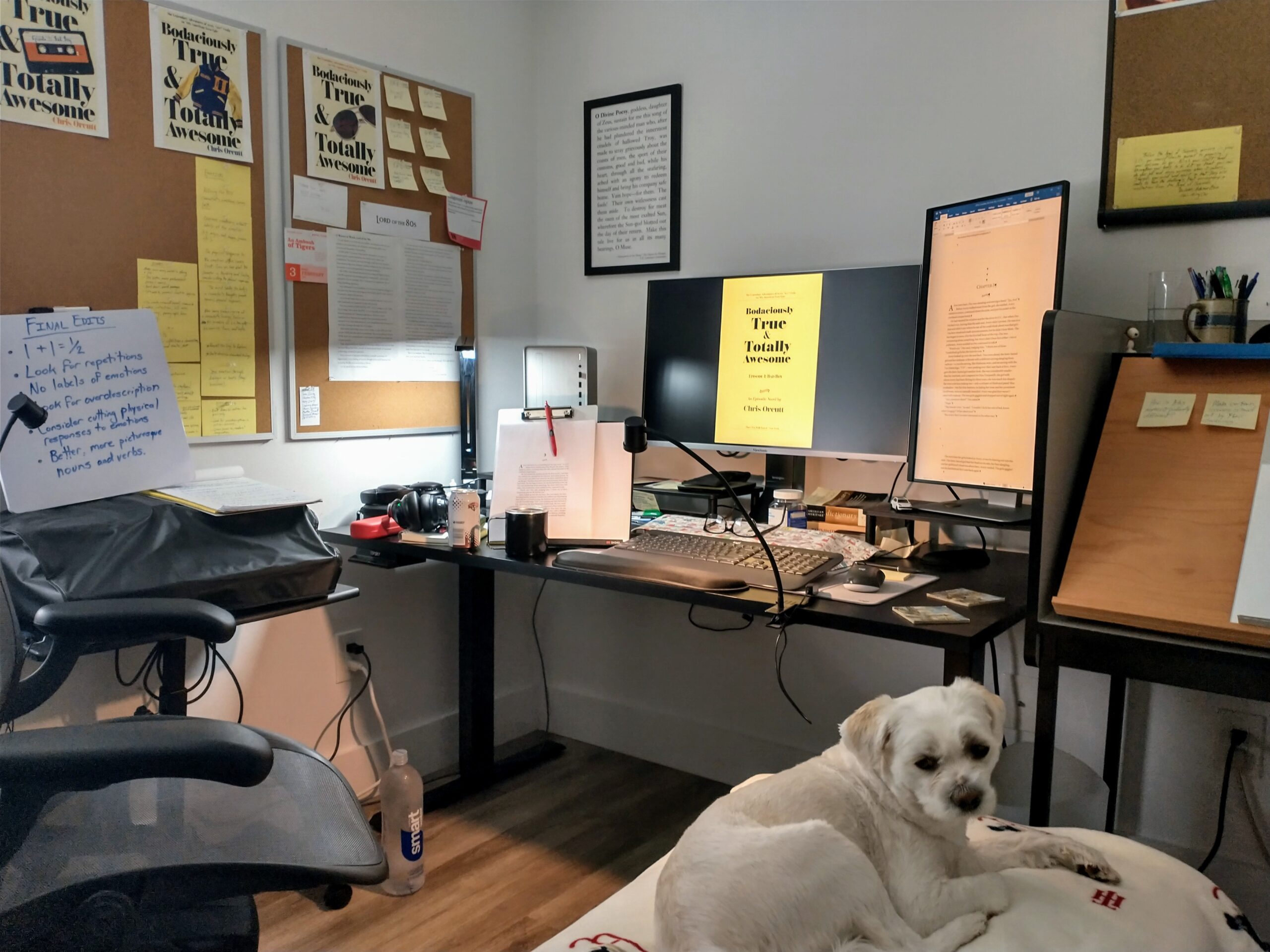 I’m not telling you all of this to puff myself up, to say, “Hey, look at how amazing I am by working through this stuff and finishing this gargantuan book!” I’m telling you this because I’ve been working on something for over ten years, and now it’s time to publish the books, and I’m looking at what I’ve done and I can’t believe it. How can somebody work on one thing for 3,697 days? Where did this single-minded obsession of mine come from? Am I more mentally ill than I thought? Is the result going to be worth it? Will readers like it?
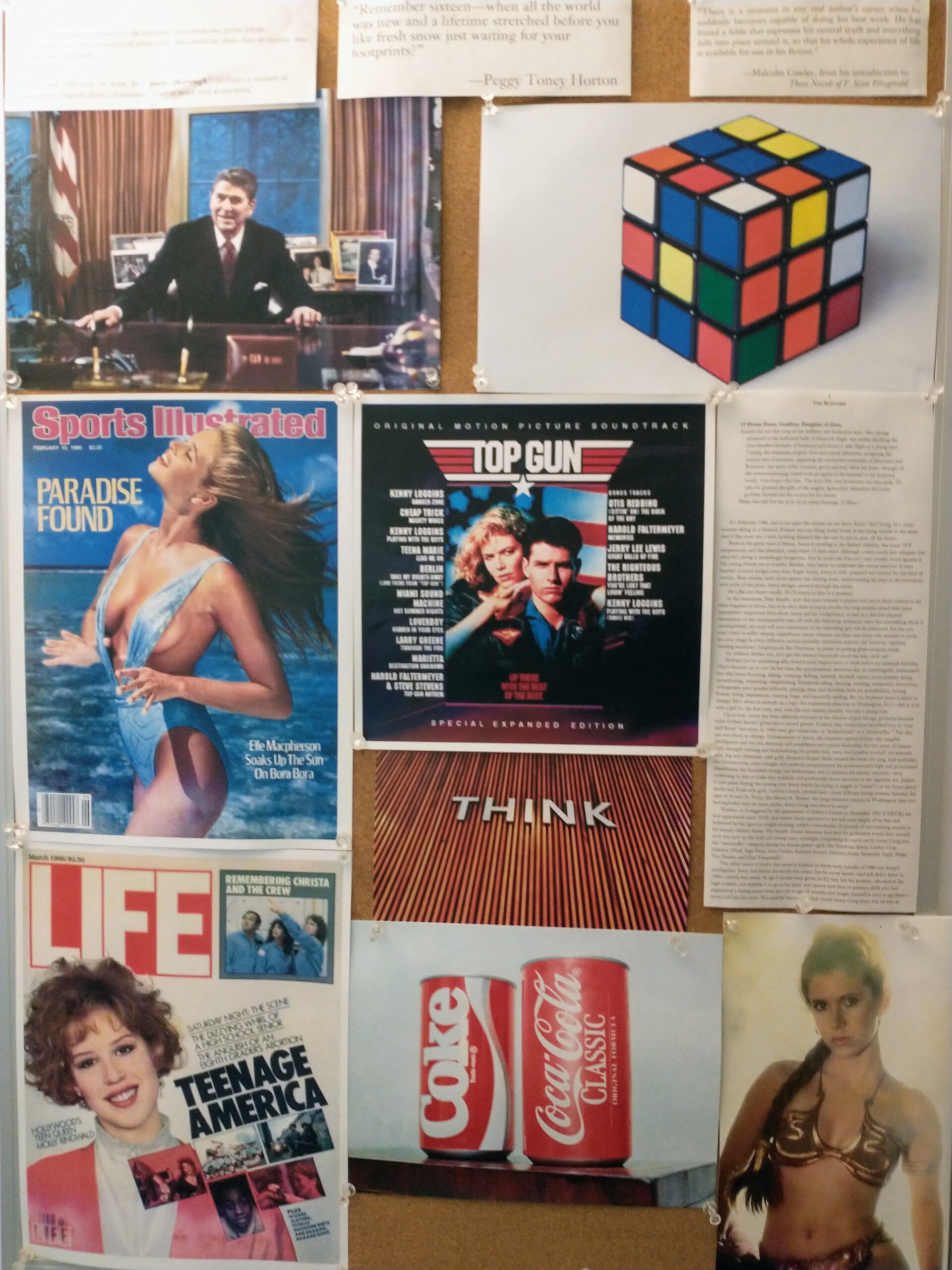
I’m encouraged by the early reviews of Bodaciously by professional reviewers and readers on NetGalley and LibraryThing. About 80% of the reviewers have loved the book, about 10% have thought it meh, and about 10% have hated it. But, of the readers who have loved it, the consensus is that I’ve created “a time machine” back to whenever the reader was a teenager. One reviewer wrote a review so encouraging that I printed it out and posted it on a bulletin board in my office. A bolded section reads,
Guess what? Chris Orcutt has it dead on. He pegged my teen years.
I think the most discombobulating thing going on here is this: after 3,697 days of working, of making each sentence, each page, each chapter, each book the very best I can make it; after a year of promotion, reviews, advertising, interviews and more, it’s out of my hands. I’ve done all I can do, and that’s a hard thing to accept when you’ve been working on something for one-third of your career and one-fifth of your life.
I’ve done all I can, Dear Reader, and now the rest is up to you.
The fate of Bodaciously is in the hands of Readers Like You: buying the books, reading the books, reviewing the books, and spreading the word about them.
I’ve done my very best, and now I have to let them go.
-
Bodaciously True & Totally Awesome: Episode I, Bad Boy is available at Amazon.com, Barnes & Noble, and your local bookstore.
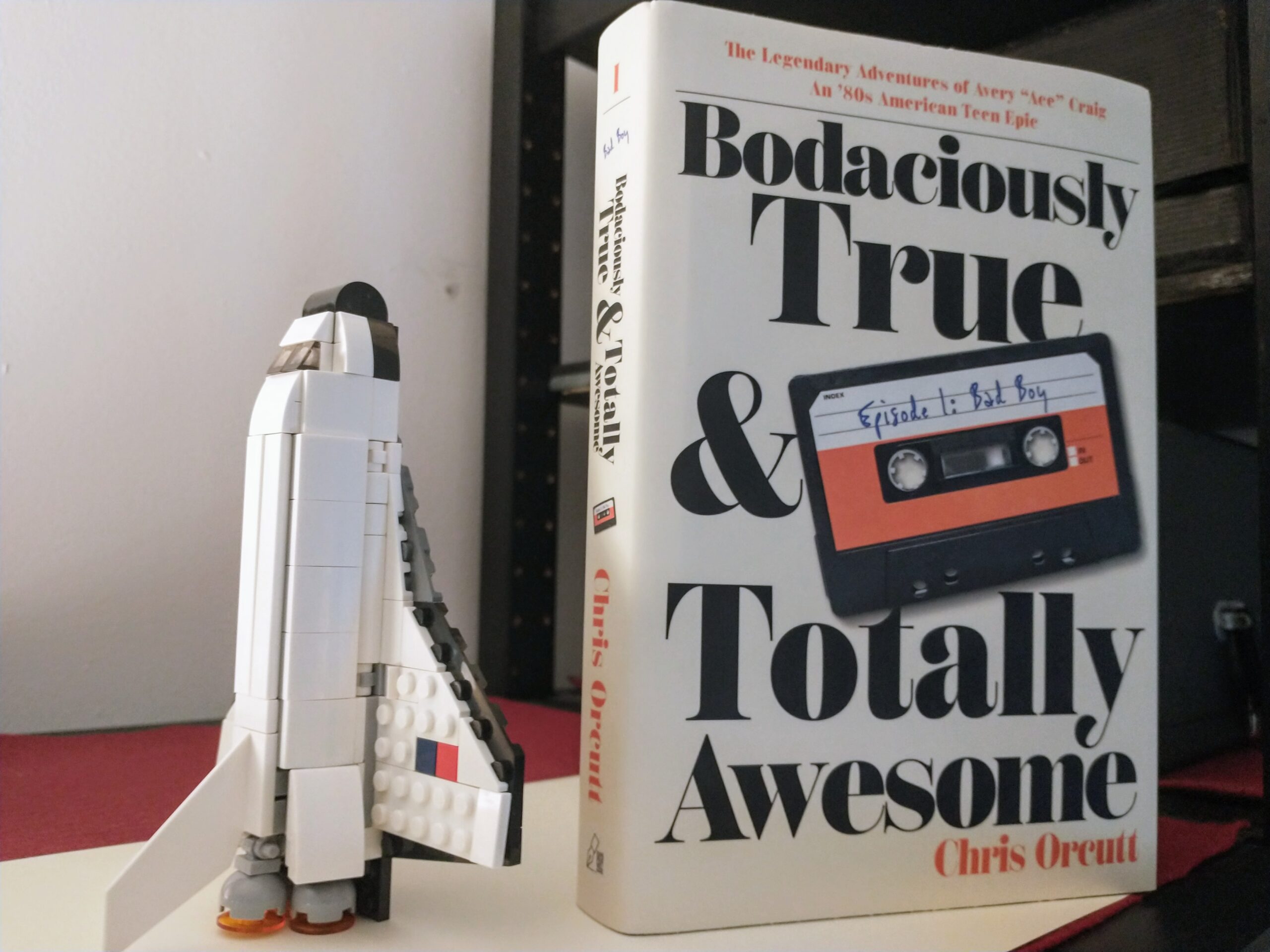 (The LEGO model of the Space Shuttle above was built by my clever nephew Aydin Mahoney.)
-
* From Beyond the Edge, the documentary about Sir Edmund Hillary and Tensing Norgay’s summiting of Mt. Everest in 1953.

Comments (0)