A Helium‑3 and Oil Timeline: Is There a Conspiracy Between the U.S. Government and the Fossil Fuels Industry?
 While doing research for my book A Truth Stranger Than Fiction, I found a lot of material on helium‑3 and oil, some of which suggested the existence of a conspiracy between the U.S. government and the fossil fuels industry to suppress development of helium‑3 and moon mining so that the resources in the Bakken Formation might be exploited.
Rather than connect the dots for you, what follows below is a simple list of important dates and events related to domestic oil production, the Bakken Formation, helium‑3, moon mining and NASA. I present these dates and events for your consideration, along with some primary sources, so you can decide for yourself whether or not such a conspiracy exists.
For more information on helium‑3, fossil fuels, moon mining and related topics, I suggest you visit a page I’ve set up with all of the primary sources I consulted while writing my book. Here is the page: “Helium‑3: Further Reading.”
*
A Helium‑3 and Oil Timeline:
1953 — Discovery of the Bakken Formation: an oil- and natural gas-rich shale deposit beneath North Dakota, Eastern Montana, and parts of Southern Canada.
1956 — M. King Hubbert posits his “Peak Oil” theory.
1969 — The Apollo 11 mission returns from the Moon with rock and soil samples that show the existence of helium‑3 on the Moon.
1970 — The date posited by “Peak Oil” theorists for peak oil production; according to Hubbert, production will fall off after this date.
1972 — Moon soil samples brought back from the final U.S. manned mission (Apollo 17) show conclusively the existence of helium‑3.
1973–74 — OPEC oil embargo/crisis in U.S.
1983 — An article in the MIT Technology Review states that “fusion as it is now being developed will almost certainly be too expensive and unreliable for commercial use.”
1991 — The University of Wisconsin-Madison Fusion Technology Institute is denied federal funding for helium‑3 fusion research.
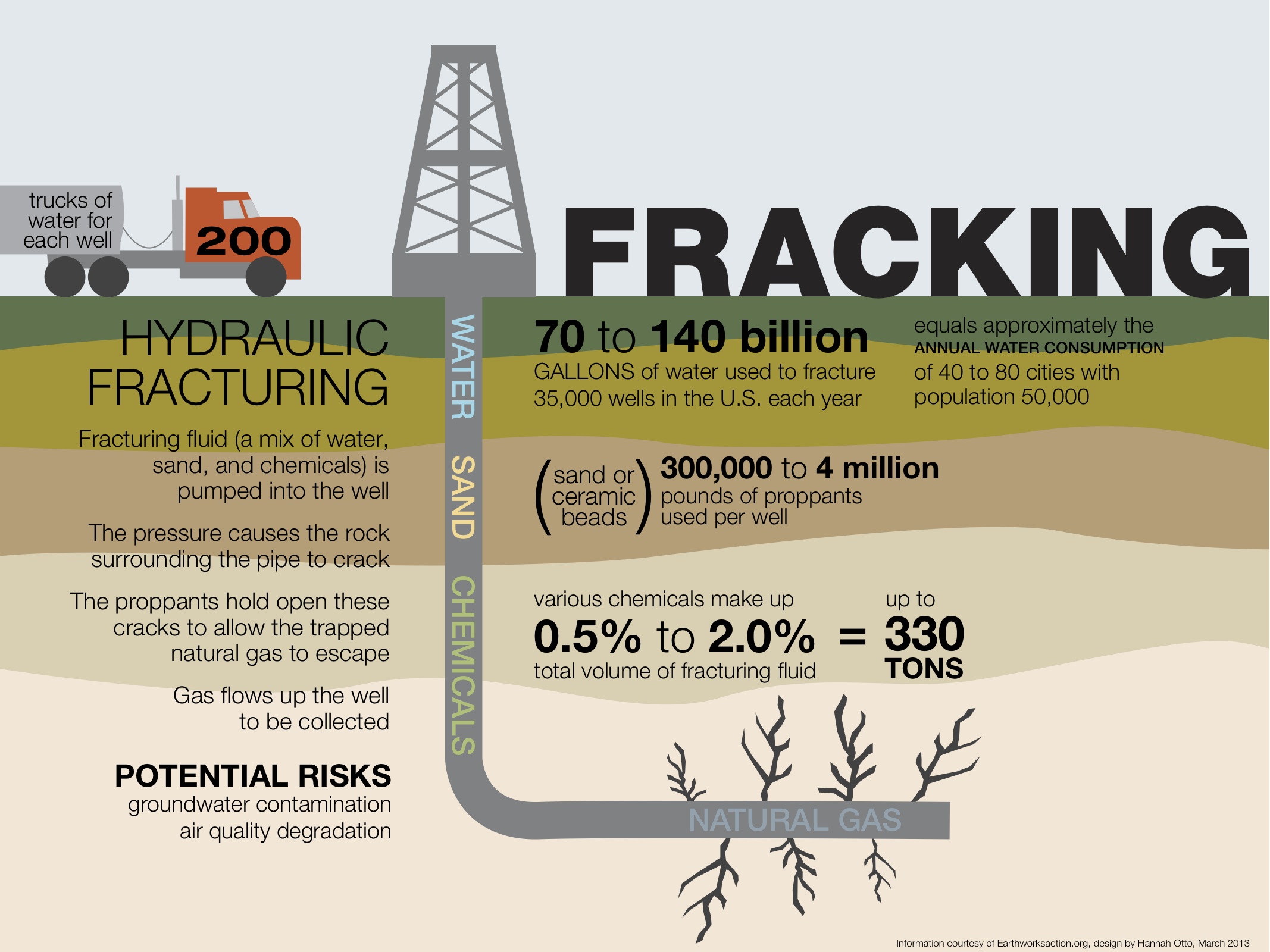 1995 — The U.S. Geological Survey (USGS) estimates that the Bakken Formation holds approximately 151 million barrels of oil.
2004 — President G.W. Bush announces plans for return to the Moon and for Moon colonization.
2006 — NASA details plans for a Moon colonization program.
2006 — The University of Wisconsin Fusion Technology Institute reports that helium‑3 fusion research is progressing and that helium‑3 from the moon would be a viable energy source.
2007 — An article in the MIT Technology Review (24 years after the 1983 article) states, “Lab experiments suggest that future fusion reactors could use helium‑3 gathered from the Moon.”
2008 — The USGS releases a report stating that the Bakken Formation contains 3.0 to 4.3 billion barrels of oil (this is 25 times the amount estimated in 1995).
2008 — U.S. average gasoline prices hit their highest point: $4.11/gallon.
 2010 — President Obama unveils a new plan for NASA and space exploration that does NOT include returning to the moon.
2013 — The USGS releases yet another new estimate stating that the Bakken Formation contains 7.4 billion barrels of recoverable oil.
2014 — The PR website for the Bakken Formation, Bakken.com, publishes an article titled, “Moon Mining: Foolishness or the Future of Energy?”

Comments (0)